Our company specializes in plant machinery sales, delivering reliable equipment and expert guidance to meet project timelines. We offer a curated fleet, flexible options, and competitive pricing to ensure you get the right machine for the job. Trust our experienced team to handle inquiries, inspections, and timely delivery. For industry insights and broader market context, explore our trusted resources at https://bauma.de/en/.
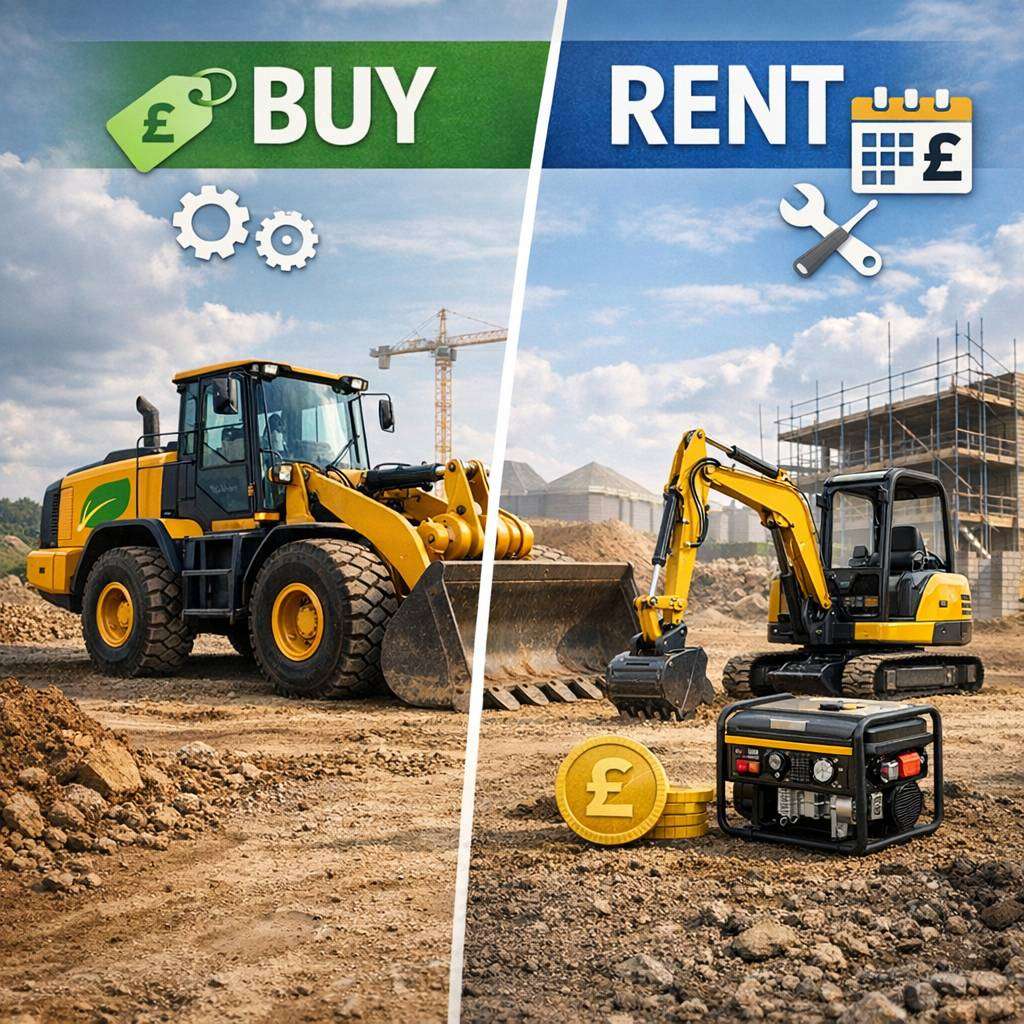
In the world of construction and civil engineering, decisions about acquiring plant machinery can significantly influence project timelines, budget control, and the long-term value of assets. As an expert in plant machinery sales uk, I will outline the key considerations when choosing between buying and renting plant and equipment, with a focus on both financial and operational implications. Whether you are exploring used plant for sale or evaluating options for short-term work, understanding the trade-offs is essential.
Discover top-quality plant machinery sales that deliver reliability, performance, and value for money. Our expertly curated selection includes excavators, loaders, and compact tracks designed to boost productivity on any site. With transparent pricing, flexible financing, and responsive support, you can trust us to meet your construction needs. For detailed options and ongoing promotions, visit our partner page and explore current offers. sjhallplant.com/
Discover top-quality plant machinery sales for contractors and builders. Explore a wide range, from excavators to loaders, with reliable warranties and flexible financing. https://www.facebook.com/p/JE-Plant-Machinery-Ltd-100063908327260/ Find unbeatable customer support today.
The case for buying plant machinery
Procurement of plant machinery for sale offers several enduring advantages, particularly for businesses with steady workloads or long-term capital plans.
- Asset ownership and depreciation: When you purchase plant and equipment, you gain an asset that can be depreciated for tax purposes. This can improve the company’s balance sheet and provide long-term financial benefits, especially for high-demand items that maintain value over time.
- Availability and readiness: Owning machinery ensures immediate availability on site, reducing downtime caused by lead times or rental return cycles. This is especially beneficial for projects with tight schedules or frequent, repetitive use of the same equipment.
- Customisation and suitability: With owned plant, operators and maintenance teams can tailor configurations, attachments, and servicing schedules to match the project needs, potentially improving productivity and safety.
- Residual value and resale opportunities: High-quality used plant for sale can retain substantial resale value, especially well-maintained units from reputable brands. A well-managed fleet can be liquidated with minimal loss at the end of a project cycle.
However, buying also comes with notable drawbacks.
- Upfront capital expenditure: Purchasing plant machinery requires significant capital outlay, which may constrain cash flow or tie up resources that could be deployed elsewhere in the business.
- Depreciation risk and maintenance burden: The value of plant machinery declines over time, and ongoing maintenance, parts, and repairs add to total cost of ownership. Older units may yield higher maintenance costs and reduced reliability.
- Technological obsolescence: In a fast-evolving sector, assets can become outdated. If your fleet lacks the latest safety features, efficiency improvements, or emissions compliance, you may incur higher operating costs or compliance risks.
The case for renting plant machinery
Renting or short-term leasing provides a compelling alternative for many organisations, particularly those with fluctuating workloads or project-specific needs.
- Cash flow and cost predictability: Renting avoids a large upfront payment and allows for predictable monthly expenses. This can simplify budgeting for projects with variable demand.
- Access to the latest technologies: Hire fleets are often refreshed regularly, giving access to newer models with improved performance, fuel efficiency, and compliance features without the burden of ownership.
- Maintenance and support: Rental agreements typically include maintenance and service support, reducing downtime and labour costs for caretaking. This can be especially advantageous for firms without a dedicated maintenance team.
- Flexibility and scalability: Renting enables rapid scaling up or down of the fleet in response to project requirements, location, or seasonality. This flexibility is a major advantage in volatile markets.
Conversely, there are disadvantages to renting that organisations must weigh.
- Higher long-term cost on prolonged use: For extended project timelines or ongoing operations, cumulative rental charges can exceed the cost of buying and owning the same equipment.
- Availability risk and scheduling: On occasion, demand for popular models can create availability constraints. Delays or substitutions may impact project plans.
- Limited customisation: Leased plant machinery is typically not customised to the same extent as owned units, which might limit efficiency gains on specific tasks.
Evaluating total cost of ownership vs. total cost of use
A practical way to compare buying and renting is to look beyond the headline price and consider the total cost of ownership (TCO) versus total cost of use (TCU).
- Total cost of ownership (TCO) for buying includes purchase price, financing costs, insurance, maintenance, parts, tyres or tracks, depreciation, and eventual resale value or disposal costs. It captures the full lifecycle impact.
- Total cost of use (TCU) for renting captures rental rates, maintenance included in the agreement, minimal or no depreciation, insurance, and any penalties for excess wear or overuse. It focuses on the period of use.
For projects with uncertain duration or one-off tasks, TCU through a rental arrangement often yields a lower financial risk. For organisations with a predictable pipeline, TCO analysis may reveal that owning a core fleet with high utilisation is more economical in the long run.
Discover reliable plant machinery sales from a trusted supplier. Our expert team offers competitive pricing, certified equipment, and flexible options to suit any project. Explore our inventory and financing plans to get the best value on your next job. https://www.sjhallplant.com Your partner for smart buys.
Operational considerations: uptime, reliability, and compliance
Regardless of whether you choose used plant for sale or a rental fleet, operational reliability is non-negotiable.
- Uptime and service support: Neither option should compromise project timelines. In the UK market, many plant and equipment suppliers offer comprehensive maintenance packages, which can significantly reduce downtime, especially during peak seasons.
- Compliance and safety: Emissions standards, operator training, and safety features should influence both purchasing and rental decisions. Modern plant machinery for sale or in rental fleets will generally align with current regulations, but due diligence is essential to ensure compliance.
- Fleet compatibility: When mixing owned and hired equipment, compatibility of control systems, attachments, and hydraulic capacities becomes important to avoid inefficiencies on site.
Market perspective: second hand plant machinery and used plant equipment for sale
The market for used plant and machinery remains active. Purchasing second-hand plant machinery can provide substantial cost advantages when units come from trusted brands and are subject to thorough inspections. Key steps include:
- Conducting technical inspections and diagnostic checks.
- Reviewing maintenance logs and service history.
- Verifying history of any accidents or significant repairs.
- Negotiating warranties or maintenance packages where possible.
For buyers, a robust sourcing strategy—whether through plant machinery sales UK specialists or reputable dealers—can mitigate risk and improve resale prospects.
The decision framework
- If your projects are long-term, with high utilisation of a core set of machines, and you have the capital available, buying plant machinery can offer cost efficiency and control.
- If your workload is project-based, unpredictable, or requires access to cutting-edge technology without the burden of maintenance and depreciation, renting is typically the superior option.
- A mixed model—owning essential, high-use equipment while renting flexible, specialist units—often delivers the best balance of cost, capability, and resilience.
In summary, the choice between buying and renting plant machinery for sales hinges on project duration, utilisation intensity, cash flow considerations, and strategic asset management. Whether you are evaluating used plant for sale or exploring plant machinery for sale uk, a rigorous total cost assessment and a clear understanding of operational needs will guide you toward the optimal approach. For many firms, a well-planned hybrid strategy, supported by trusted suppliers of plant and equipment, offers the most practical path to sustaining productivity and profitability.