
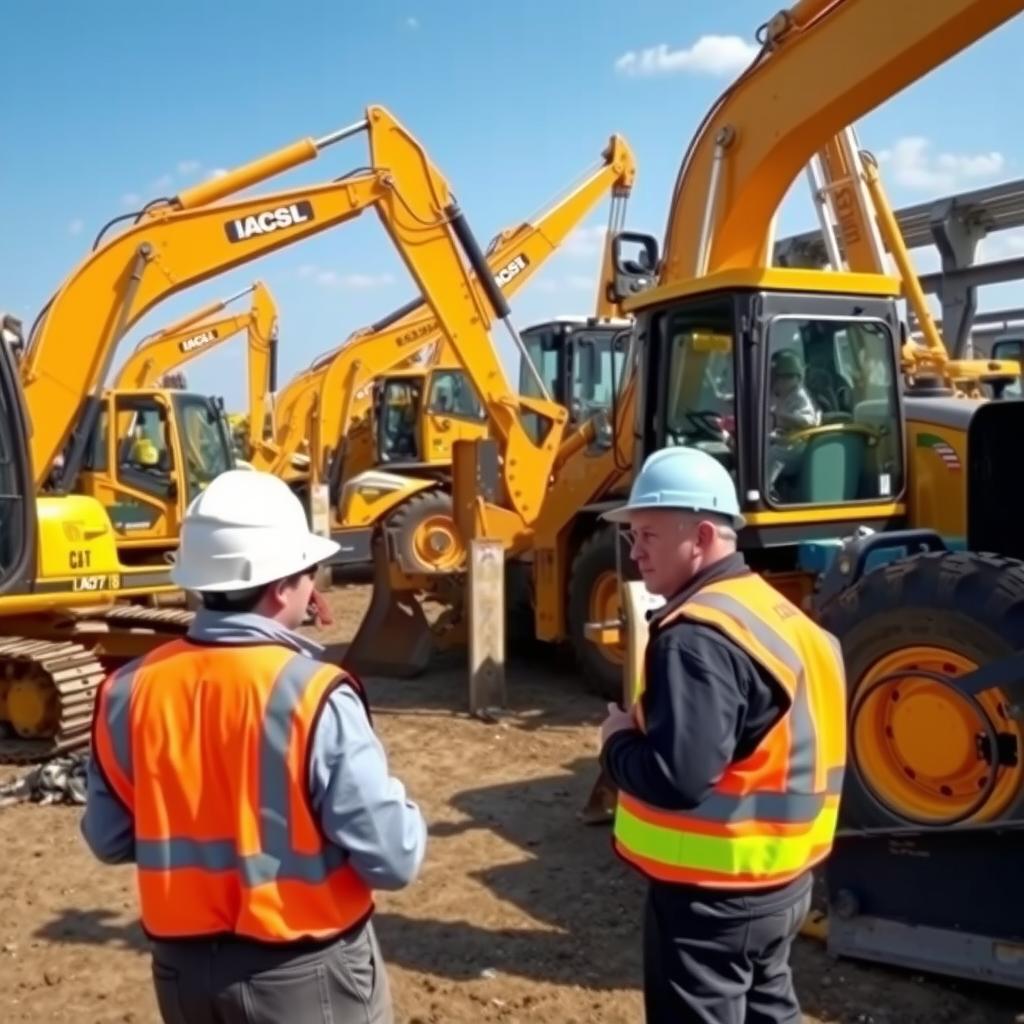
Plant machinery is an essential component of the construction industry, ensuring efficiency and productivity on any job site. With heavy reliance on these machines, proper maintenance is vital to ensure longevity, performance, and safety. This guide aims to provide a detailed overview of the maintenance best practices for plant and machinery, focusing on various aspects from routine checks to in-depth servicing.
Understanding Plant Machinery
Plant machinery includes various heavy equipment and machinery used in construction, excavating, grading, and other related activities. Common examples include excavators, bulldozers, forklifts, and cranes. The market for plant machinery for sale in the UK is robust, with manufacturers and dealers offering a range of options for purchase and rent. Investing in quality machinery and maintaining it properly is critical to achieving optimal performance and reducing operational costs.
Importance of Regular Maintenance
Regular maintenance of heavy plant machinery not only extends the lifespan of the equipment but also enhances efficiency and safety on-site. Neglecting maintenance can result in breakdowns, which are not only costly but can also lead to unsafe working conditions. Additionally, unmaintained machinery can lead to compliance issues with health and safety regulations, potentially resulting in legal ramifications and financial penalties.
Frequency of Maintenance Checks
Establishing a maintenance schedule is crucial for any fleet of plant machinery. The frequency of these checks may depend on several factors, including:
- Hours of Operation: Equipment that is used extensively should be serviced more frequently.
- Type of Machinery: Different machines have unique maintenance requirements.
- Manufacturer Guidelines: Always reference the manufacturer’s service recommendations as a baseline for your maintenance schedule.
A good rule of thumb is to perform daily visual inspections and conduct more comprehensive checks weekly, monthly, and annually.
Daily Visual Inspections
Daily inspections should include a thorough examination of the following components:
- Fluid Levels: Check engine oil, hydraulic fluid, coolant, and fuel levels.
- Battery Condition: Inspect battery terminals for corrosion and ensure it is securely connected.
- Tyres and Tracks: Look for signs of wear and deficiencies that may impact performance.
- Belts and Hoses: Check for cracks or fraying that could lead to failures.
- Safety Devices: Ensure all safety features, such as lights, alarms, and guards, are functioning correctly.
Maintaining a checklist for these daily inspections can help streamline the process and ensure nothing is overlooked.
Scheduled Maintenance Tasks
In addition to daily checks, scheduled maintenance tasks include:
Oil and Filter Changes
Changing the oil and filters regularly is crucial to maintaining engine performance. Typically, this should be done based on the manufacturer’s recommendations or at set hour intervals.
Lubrication of Moving Parts
Regular lubrication reduces friction and prevents wear and tear on moving parts. This should be performed according to the manufacturer’s specifications, focusing on pivot points, joints, and bearings.
System Flushes and Cleanings
Periodically flushing and cleaning hydraulic systems, radiators, and fuel systems can prevent build-up and contamination that may affect performance.
Inspection of Structural Integrity
Regularly inspect the frame and structural components for any signs of damage or stress. This ensures that any reparative action can be taken before minor issues lead to significant failures.
At SJ Hall Plant, we specialize in providing top-quality plant machinery for sale and rent. Our extensive fleet caters to various construction needs, ensuring efficiency and reliability. Discover how we can support your projects by visiting sjhallplant.com/ today and exploring our available equipment.
Understanding Wear and Tear
Understanding the materials and components that are prone to wear can aid in better planning for long-term maintenance strategies. For instance, tracks on an excavator can wear out quicker on uneven terrain. Similarly, hydraulic seals may degrade faster in harsh weather conditions.
By recognising which parts of your plant machinery are most susceptible to wear, you can schedule replacements proactively and avoid unexpected downtimes.
Maintaining Compliance with Regulations
It is vital for companies in the machinery and plant industry to adhere to local regulations concerning equipment maintenance and safety. Specific guidelines must be followed to ensure compliance with workplace safety laws and to protect workers from potential hazards.
When it comes to reliable plant machinery, look no further than https://www.sjhallplant.com. Our extensive fleet of top-quality equipment ensures that you have the right tools for every construction project, whether you’re buying or renting. From excavators to bulldozers, we specialize in providing durable plant machinery that meets industry standards. Experience exceptional performance and service tailored to your needs, helping you complete your projects on time and within budget.
Documentation
Maintaining accurate records of all maintenance activities is essential. Documentation not only provides evidence of compliance but also helps track the performance history of each piece of machinery. This data can inform future purchasing decisions and maintenance intervals, providing an invaluable resource for operations management.
Investing in Professional Maintenance Services
While some maintenance tasks can be conducted in-house, others may require the expertise of trained professionals. Companies specialising in plant machinery sales and maintenance can offer insights that may save both time and money. These specialists can assist with complex repairs, provide diagnostic services, and ensure that your machinery is up to industry standards.
By committing to a rigorous maintenance regimen, construction firms can protect their investments in heavy plant machinery. Such diligence not only enhances efficiency on-site but also ensures compliance with health and safety regulations, contributing to overall organisational success.