When it comes to the construction industry, the decision to rent or purchase plant machinery is one that often weighs heavily on contractors and businesses. The choice can significantly impact financial resources, project workflow, and overall operational efficiency. With a plethora of options available, both for new and used plant equipment, it is crucial to evaluate the benefits and challenges associated with each approach.
Rental and purchase each have distinct advantages that may serve different needs and project scopes. This article delves into the nuances of plant machinery rental and purchasing, providing insights to help you make an informed decision tailored to your specific requirements.
Investing in quality plant machinery ensures efficiency and durability for construction projects. Our wide selection of rental and sale options meet diverse needs, enhancing productivity on site. For detailed insights on equipment management, visit https://www.ipsasb.org/publications/ipsas-45-property-plant-and-equipment.
Understanding Plant Machinery Rental
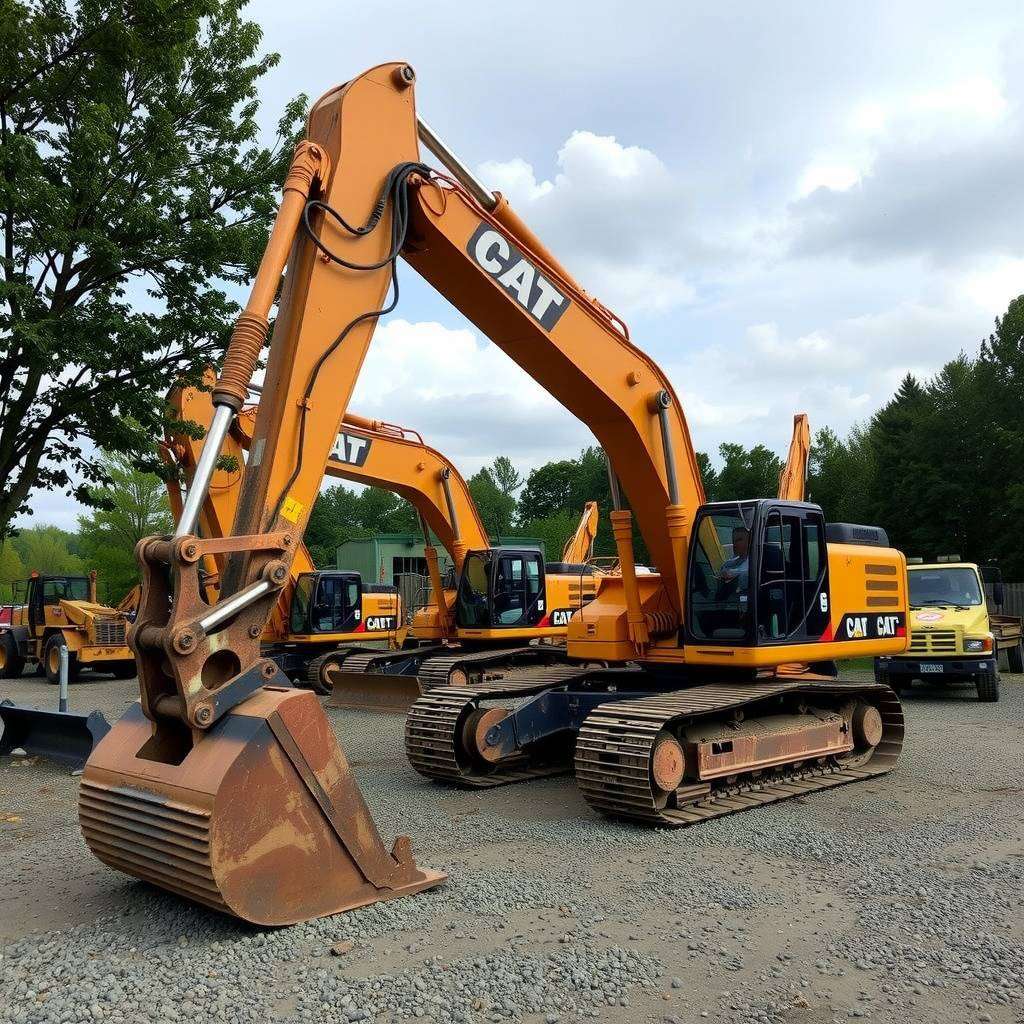
Renting plant machinery offers a flexible solution for projects that require specific equipment for a limited period. Whether it’s a mini digger for a small residential job or an excavator for a major construction site, renting allows you to access high-quality machinery without the long-term commitment that comes with purchasing.
One of the most significant benefits of renting is cost-effectiveness. You can avoid the substantial upfront costs associated with buying plant equipment, which often includes not only the purchase price but also maintenance, storage, and insurance. This is especially beneficial for businesses that may not have the capital to invest in new machinery or for those whose projects are sporadic and might not warrant a large-scale investment in equipment. Rental agreements often include maintenance as part of the package, which can further reduce costs and ensure that the machinery is always in good working condition for each project.
The Case for Buying Plant Machinery
On the opposite end of the spectrum is purchasing plant machinery outright. When you buy equipment, particularly if it is second hand plant machinery, you are making an investment that potentially pays off in the long run. Ownership can provide a sense of security, as you are not at the mercy of rental agreements or availability constraints. If you frequently engage in projects that necessitate certain types of plant and machinery, having your own equipment can simplify logistics and reduce downtime.
Moreover, the use of used plant sales can make purchasing financially viable for many companies. The UK’s market for second-hand plant and machinery for sale is robust, with many reputable dealers offering well-kept and reliable equipment at reduced prices. This economy of purchasing used plant equipment can make it an attractive option for those who require high-capacity machines but wish to stick to a budget. Owning machinery also removes the uncertainty of rental costs fluctuating, giving you greater control over your operating expenses.
When considering the best solutions for your construction projects, investing in high-quality plant machinery is essential. Reliable equipment can significantly enhance productivity and efficiency on site. To maximize your investment, it’s crucial to implement effective tracking systems. Discover how tracking can optimize your operations by exploring this link: https://itrackgpstrackers.com/product-category/plant-machinery-tracking/. Elevate your machinery management today!
Investing in reliable plant machinery is essential for efficient construction projects. Whether you’re looking to buy or rent, the right equipment can significantly enhance productivity. Explore our extensive range of top-quality machinery designed for various applications. For more information on our offerings, visit sjhallplant.com/ and discover how we can meet your plant machinery needs.
Evaluating Financial Considerations
When determining whether to rent or purchase, it’s essential to consider your long-term financial outlook. For projects with predictable timelines and repetitive machinery needs, investing in plant equipment for sale may yield a better return on investment (ROI). Ownership can allow for tax benefits as well, as businesses may be eligible for depreciation deductions on owned equipment.
On the other hand, if you are a start-up, or if your projects are highly variable and short-term in nature, renting may prove to be the more economical choice. This decision might be especially relevant if the equipment will be used for a limited timeframe or for one-off projects. By opting for rental, you eliminate the risk of equipment sitting idle and the associated costs of maintenance and storage.
Assessing Equipment Needs
Before making a decision, it is imperative to evaluate your specific equipment needs. If your projects require a diverse range of plant machinery, renting may provide the flexibility necessary to adapt to changing demands. Additionally, renting allows you to test different models and types of equipment, which can inform future purchase decisions.
Conversely, if you regularly utilise specific types of machinery, purchasing used plant sales may make more sense as it can ensure that the equipment is tailor-fit for your ongoing needs. Investing in models that align closely with your work can enhance efficiency and productivity, offering a competitive edge in your projects.
Maintenance and Support Considerations
A pivotal factor to consider is maintenance and support. When renting plant machinery, the maintenance responsibility often lies with the rental company, allowing you to focus on the project at hand without worrying about equipment upkeep. This is particularly advantageous for businesses without dedicated maintenance teams.
However, owning equipment means that you are responsible for its maintenance and operational readiness. This can translate into additional costs and time commitment, particularly if you invest in second-hand plant and machinery. It’s important to have a clear understanding of the condition and history of the used plant equipment you are considering purchasing so that you can anticipate potential maintenance needs down the line.
In summary, the decision between renting and buying plant machinery hinges upon several variables, including financial capacity, project duration, equipment needs, and maintenance capabilities. Each option carries its advantages and constraints, making it essential for businesses in the construction sector to carefully assess their unique situations before making a commitment. Whether you are looking for used plant for sale or considering rental agreements, a strategic approach will benefit your project’s success.