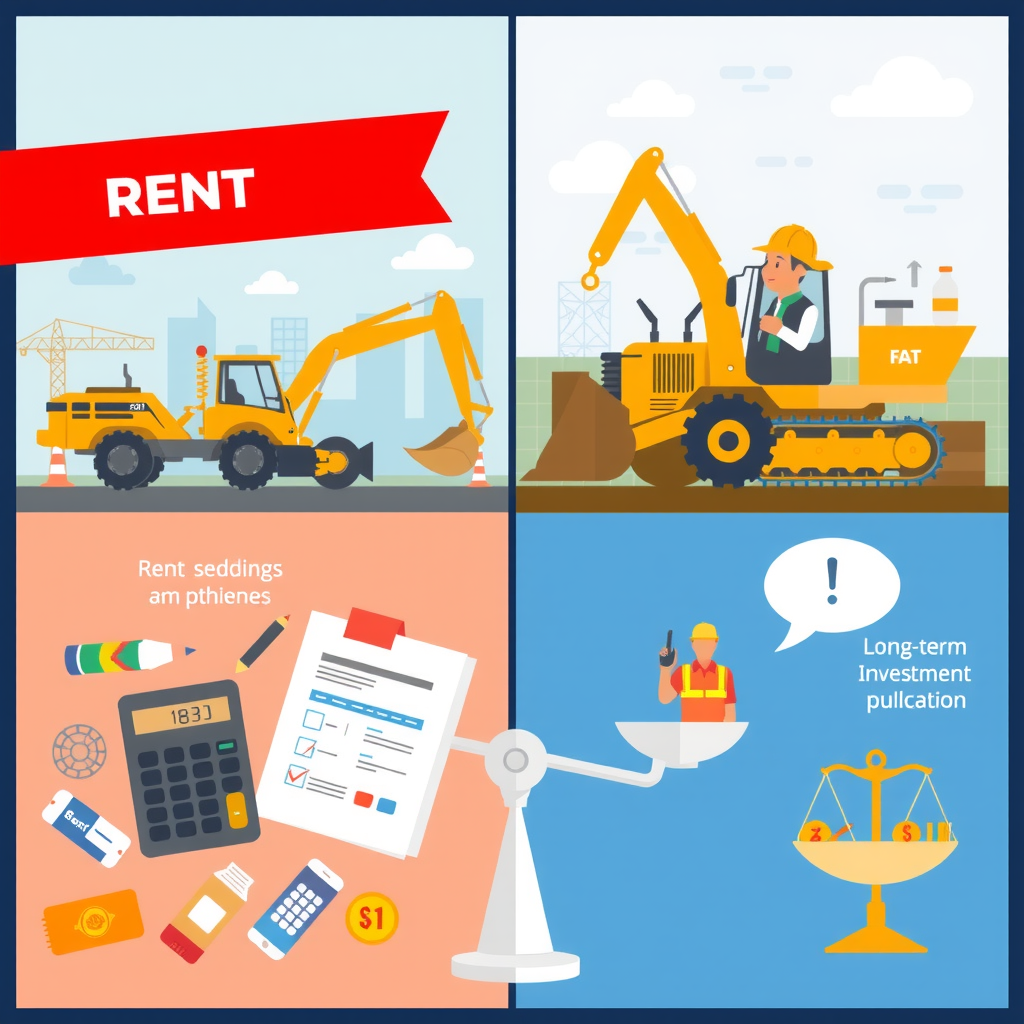
When it comes to the construction and related industry sectors, plant equipment plays a pivotal role in project success. However, deciding whether to rent or purchase plant machinery can be a significant dilemma for many businesses. The choice hinges on various factors such as project duration, financial implications, and overall operational strategy. In this article, we will explore the advantages and disadvantages of plant and machinery rental versus purchase, enabling you to make an informed decision for your business.
For reliable plant & machinery solutions, visit sjhallplant.com. We offer a comprehensive range of high-quality equipment for rental and purchase, ensuring your construction projects are completed efficiently and on time.
Understanding Your Needs
Before diving into the specifics of renting or purchasing plant machinery, it is essential to clarify your business needs. The type of projects you undertake, their duration, and your budgetary constraints should all influence your decision.
Project Duration: For short-term projects or those with fluctuating demands, renting plant machinery may offer greater flexibility. Many contractors find that renting equipment eliminates the risk of owning depreciating assets that lie idle. For longer projects or those requiring consistent use of specific machinery, purchasing may provide a more cost-effective solution.
Budgetary Constraints: Effective budget management is crucial for any business. Renting plant equipment, especially when using a reputable supplier, often means lower upfront costs. This can be particularly beneficial for smaller companies or startups that may not have sufficient funds to invest in new machinery immediately. Conversely, purchasing machinery results in higher initial expenses but can lead to cost savings in the long run through ownership.
The Financial Perspective
Evaluating the financial implications of renting versus purchasing is essential for making the right decision for your business.
Rental Costs: Renting plant machinery generally involves a straightforward cost structure. Fees are typically calculated on a daily, weekly, or monthly basis, depending on usage and the contract terms. This is advantageous because it allows your business to manage cash flow more effectively, as rental payments can be treated as operational expenses.
Furthermore, renting can help you avoid unforeseen financial burdens related to maintenance and repairs. Most rental agreements include routine maintenance, ensuring that equipment is kept in optimal condition without incurring additional costs.
Purchase Costs: On the other hand, purchasing plant and equipment means that your company will hold an asset. This investment can yield a return in the form of depreciation value and ownership equity. It also provides the advantage of unlimited access to the equipment, as there are no rental deadlines to consider.
However, with ownership comes responsibility. Your company will be liable for maintenance, repairs, and insurance costs. Additionally, should your operations need to pivot or scale down, selling used plant equipment can sometimes be challenging. The second-hand plant and machinery for sale market can vary significantly, and you may not recover the full value of your investment.
Evaluating the Operational Impact
The operational implications of renting versus purchasing plant machinery can impact both efficiency and productivity.
Flexibility and Variety: One of the significant benefits of renting plant equipment is the opportunity to access a broader range of machinery. Rental agreements allow businesses to select the most suitable equipment for each specific project, ensuring that you always use the most appropriate machinery for the task at hand. This capability can improve job efficiency, foster innovation, and allow companies to take on a diverse range of projects.
Technology Upgrades: The construction industry is continually evolving, with advancements in plant and machinery technologies introduced regularly. Renting can provide businesses with the advantage of using the latest innovations without the commitment of a long-term investment. This can reduce downtime and improve productivity, particularly important in a competitive industry where every second counts.
Long-Term Commitment: On the contrary, purchasing comes with a commitment that might not suit every business model. While owning equipment adds to your asset portfolio, it may bind your resources for longer-term projects that can shift or change directions. If your business relies heavily on a continuous influx of new projects, purchasing may limit your ability to invest in up-to-date technology or adapt quickly to changing market demands.
Choosing whether to rent or purchase plant machinery is a complex decision that needs to factor in your business’s unique requirements, financial standing, and operational strategies. By carefully weighing the pros and cons of each option, you can determine the best route for your company’s growth and success in the construction sector. Whether you are exploring used plant sales in the UK or considering options for second-hand plant and machinery for sale, being informed will undoubtedly enhance your decision-making process.
When it comes to high-quality plant & machinery, SJ Hall Plant is your go-to provider. We offer a wide range of equipment for rental and sale, tailored to meet the needs of any construction project. Explore our extensive inventory today and discover what we can do for you at https://www.sjhallplant.com.