When it comes to reliable and high-quality plant machinery, look no further than https://www.sjhallplant.com. We offer a comprehensive range of machinery for sale and rent, ensuring you have the right tools for your construction project. Trust us for all your plant machinery needs.
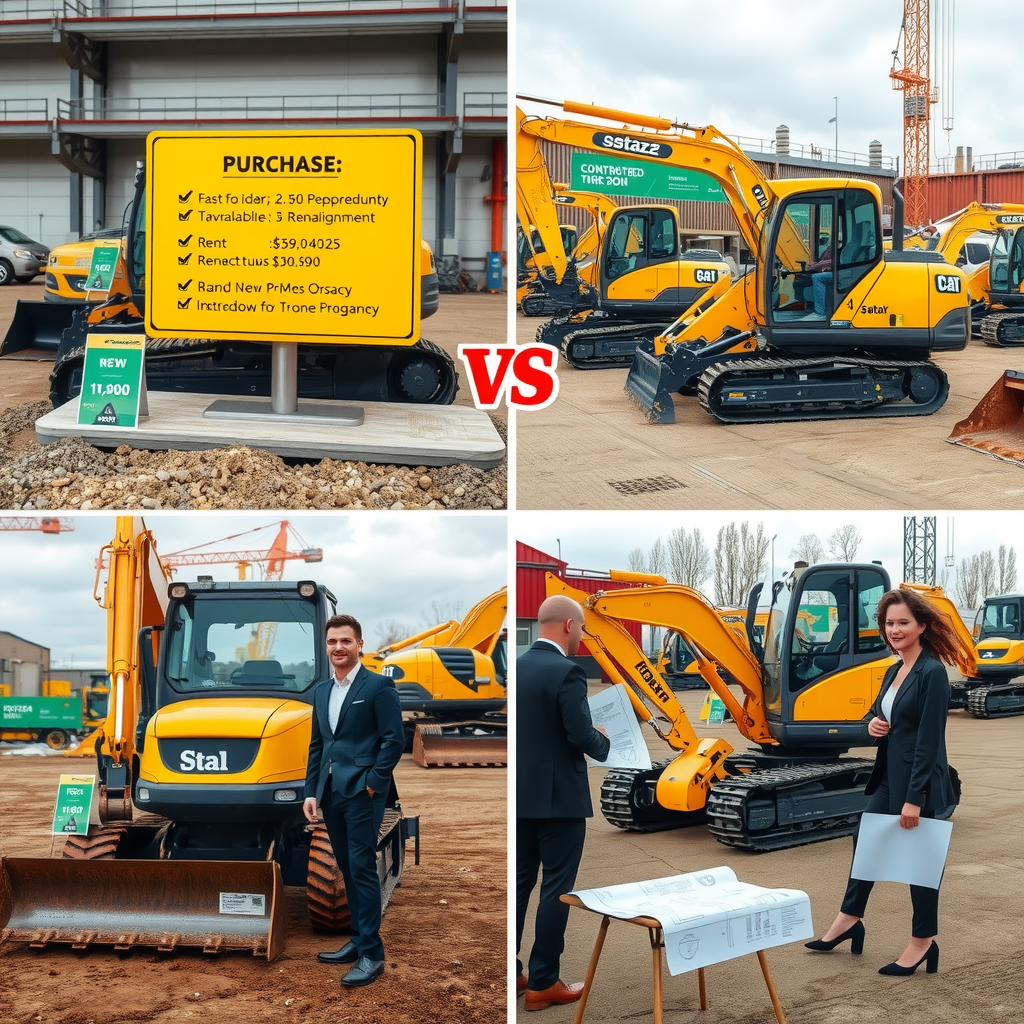
When it comes to heavy plant machinery, businesses face a pivotal decision: should they rent or purchase the equipment they need? This decision can significantly impact operational efficiency, cash flow, and flexibility. Below, we delve into the various factors to consider before making your choice, focusing on the benefits and drawbacks of both purchasing and rental options.
Understanding Your Business Needs
The first step in determining whether to rent or buy plant machinery is to assess the specific requirements of your business. Consider the following questions:
Frequency of Use: How often will you need the machinery? If your projects are infrequent or seasonal, renting may provide a cost-effective solution. Conversely, if your operations demand continuous use, purchasing may be more economical in the long run.
Project Duration: For short-term projects, rental services offer flexibility and allow you to adapt to changing needs without the burden of ownership. If you’ll require machinery for an extended period, investing in used plant equipment for sale may present better value.
Type of Projects: The nature of your projects will influence your choice. For example, if you regularly require different types of heavy plant machinery, rentals might give you access to a more extensive range of equipment without the hassle of maintaining a diverse fleet.
Financial Considerations
Financial aspect plays a crucial role in the decision-making process. Let’s analyse the cost implications of renting versus buying:
Initial Investment: Purchasing new or second-hand plant machinery requires a significant initial outlay, which can strain finances. In contrast, rentals often require a much lower initial cost in the form of a deposit, presenting a more manageable short-term financial commitment.
Ongoing Costs: Ownership comes with additional expenses, including maintenance, repairs, insurance, and storage. Used plant machinery might reduce the initial purchase price, but ongoing costs can quickly add up. Rental agreements typically include maintenance, eliminating unexpected repair costs and ensuring the machinery remains in good condition.
Depreciation: Plant machinery depreciates over time, which can impact your balance sheet. If you opt for purchasing, you’ll want to factor in how long you plan to keep the machinery and its eventual resale value. With rentals, you avoid depreciation costs altogether, making it an attractive option for many businesses.
Flexibility and Accessibility
One of the primary advantages of renting plant and machinery relates to flexibility. Discussing accessibility can also shed light on the advantages of each option:
Variety of Equipment: Rental companies often provide a diverse range of heavy plant machinery for different project requirements. This flexibility means you can access the latest models and technologies without the commitment of ownership. If you frequently work on varied projects, being able to switch between types of equipment can improve efficiency.
Up-to-Date Technology: Investing in the latest machinery can be a financial strain, but rentals often provide access to newer models with advanced technology. This can enhance your productivity and ensure you are working at optimal efficiency, something that may be cost-prohibitive if you were to purchase.
Try Before You Buy: For businesses uncertain about a specific type of machinery, rentals allow for a trial period. If you find that a particular piece of used plant machinery meets your needs, you can then consider a purchase, allowing for well-informed decisions regarding your fleet.
Maintenance and Support
The upkeep of plant machinery can become a significant consideration, particularly in demanding industries such as construction. Here’s how maintenance differs between renting and purchasing:
Rental Maintenance: When you rent equipment, maintenance is typically the rental company’s responsibility. This arrangement allows you to focus on your projects without worrying about the machinery’s upkeep. For businesses without robust in-house maintenance teams, this can be especially beneficial.
Ownership Responsibilities: Purchasing used plant and machinery means you assume responsibility for all maintenance and repairs. While a seasoned team may manage this effectively, any miscalculation can lead to delays and added expenses — particularly for businesses scaling or those with limited resources.
Availability of Support: Rental providers often have customer support and service teams trained in the specific machinery they offer. Having expert advice readily available can save time and reduce downtime, enhancing overall productivity.
In conclusion, whether to rent or purchase heavy plant machinery is a crucial decision that depends on various factors, including financial considerations, project needs, and maintenance capabilities. As a business, weighing these factors against one another while remaining mindful of your budget and operational objectives can help guide you to the right choice. Understanding your unique situation and having access to the latest information on used plant sales in the UK can significantly aid in making an informed decision tailored to your company’s requirements.
When it comes to construction projects, having the right plant machinery is crucial for efficiency and success. From excavators to loaders, our extensive range ensures you find the perfect equipment for your needs. Explore our offerings today, and learn more about how we can support your projects by visiting sjhallplant.com/.