
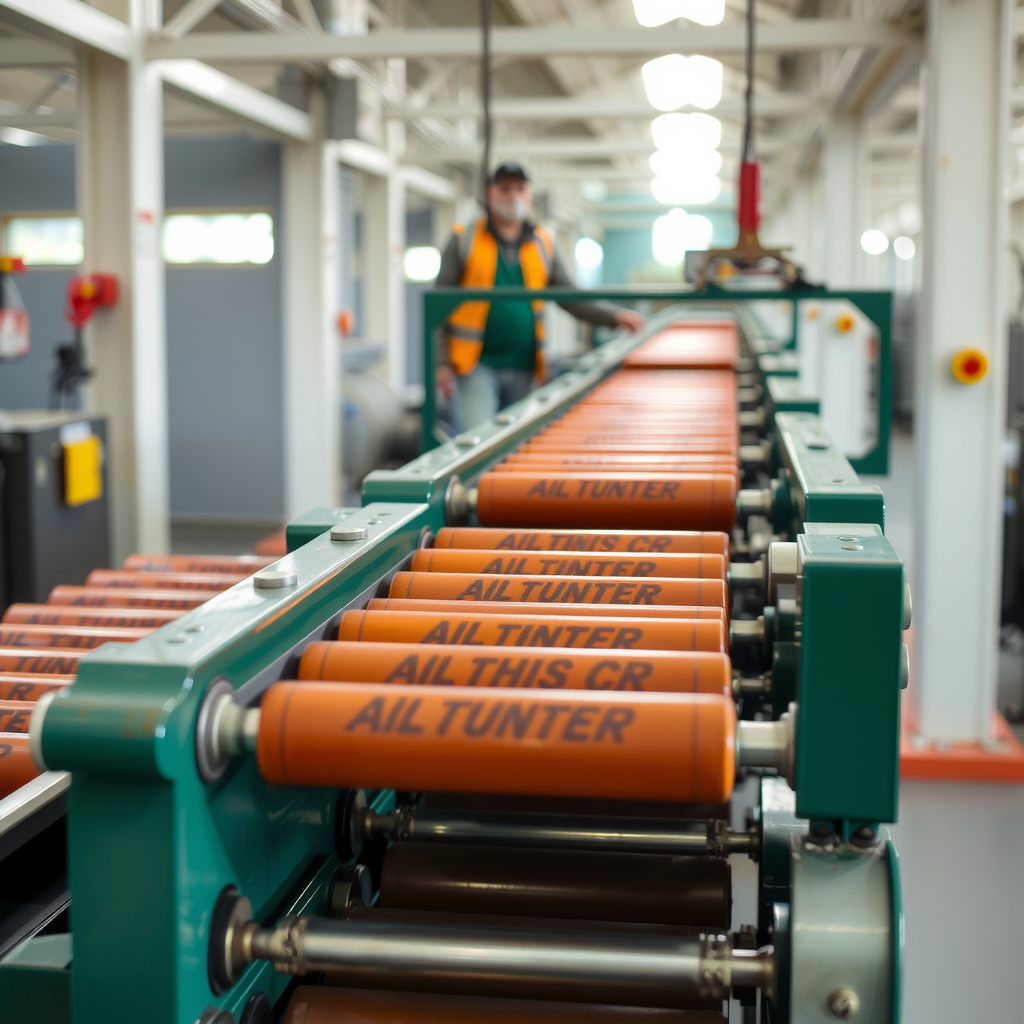
When it comes to efficiently moving materials, conveyor rollers play a pivotal role in various industries, including manufacturing, warehousing, and logistics. Selecting the right conveyor roller is essential for optimising performance, reducing downtime, and maintaining overall system efficiency. If you’re in the market for new conveyer rollers, here are five features to consider closely that will ensure you make an informed choice.
Material Durability
One of the most critical aspects when choosing conveyer rollers is the material from which they are made. Depending on the application, the roller material can greatly influence its durability and performance. Steel rollers are often the go-to choice for heavy-duty applications due to their remarkable strength and longevity. They can withstand harsh conditions, including heavy loads, abrasive materials, and fluctuating temperatures.
For lighter applications or environments where corrosion is a concern, plastic or aluminium rollers may be more suitable. These materials tend to be lighter, making them easier to install and maintain. Additionally, if your operation involves products that may corrode surfaces, consider options like coated steel rollers or stainless steel ones, which offer rust resistance while maintaining durability.
Conveyer rollers play a crucial role in various industries, facilitating the smooth and efficient movement of goods. These essential components come in various sizes and materials, ensuring compatibility with different conveyor systems. For high-quality conveyer rollers tailored to your needs, explore options available at https://conveyorrollers.co.uk. Invest in reliability for your business today!
Roller Type and Design
Not all conveyer rollers are created equal; their design and type greatly influence their specific functionality. For instance, grooved rollers are especially useful for applications involving conveyor belts. The grooves help keep the belt centred and facilitate efficient movement. On the other hand, sprocket rollers, which feature teeth on the outer surface, are designed to engage with the conveyor belt. This engagement allows for precise motion control and is particularly beneficial for automation systems.
When selecting your rollers, consider the environment in which they’ll operate. Custom designs are also available for niche applications, providing tailored solutions that can enhance operational efficiency. Always ensure the roller type you choose aligns with the intended function of your conveyor system.
Load Capacity
Another crucial feature to consider is the load capacity of the rollers you select. Each roller has a weight limit that must not be exceeded; otherwise, it may lead to mechanical failure, safety hazards, or damage to the transported materials. Always refer to the manufacturer’s specifications to find out the maximum load capacity.
In high-capacity environments, you’ll want to opt for heavy-duty steel rollers that can handle increased pressure without compromising performance. Conversely, for lighter loads, standard UK rollers made from plastic or less robust materials may suffice. Knowing your operational needs and understanding the maximum load capacity of your chosen roller is vital for maintaining safety and efficiency.
Maintenance and Serviceability
Regular maintenance of conveyor rollers is crucial to ensure their long-term functionality and reliability. When selecting conveyer rollers, consider how easily they can be maintained or replaced. Some rollers feature sealed bearings that require less maintenance, while others might need more frequent attention, such as greasing or lubrication.
Ease of installation and serviceability is another factor to consider. Rollers that can be easily swapped out for repairs will minimise downtime. Look for features such as locking mechanisms or quick-release pins, which can expedite roller changes and maintenance procedures. This will not only enhance operational efficiency but also save on labour costs associated with maintenance.
Environmental Resistance
Lastly, consider the environmental conditions in which your conveyor rollers will operate. Factors such as humidity, temperature fluctuations, and exposure to chemicals can significantly affect roller performance and longevity. If your application is in a wet or corrosive environment, selecting rollers with environmental resistance is paramount.
For instance, if your system operates in a food processing plant, you’ll need corrosion-resistant and cleanable rollers, such as stainless steel or specially coated options, suitable for hygienic environments. Conversely, if you’re in a high-temperature setting, ensure that your rollers are capable of withstanding the heat. Always consult with manufacturers or suppliers to find rollers specifically designed for your unique operating conditions.
By attentively assessing these features, you can effectively choose the right conveyer rollers for your specific requirements. With the right selection process, you’ll enhance productivity, boost efficiency, and ensure a smoother operational workflow. Whether you’re opting for steel rollers, grooved rollers, or even sprocket rollers, understanding what features matter most for your conveyor system will lead to better performance and reliability. So, take your time, explore your options, and pick the best rollers for your needs!